
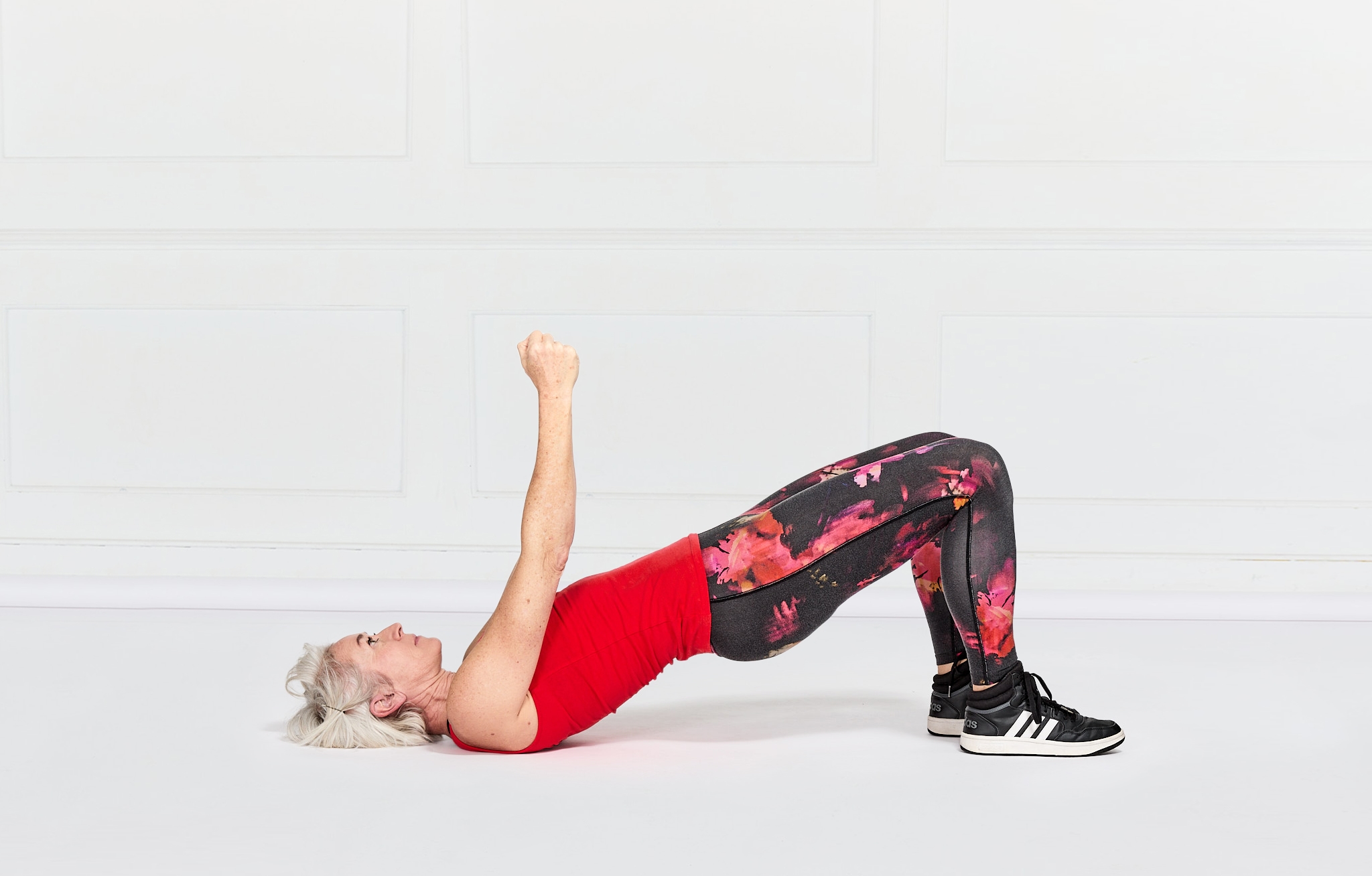
Why organ function, breathing mechanics and pain patterns can influence stability and movement
When your internal organs aren’t working as well as they should, it can affect your body’s deep core system.
Your core isn’t just your “abs.” It’s a team of deep muscles that help you breathe well, support your spine, control pressure in your abdomen, and support your pelvic floor.
When this system is disrupted, it can lead to:
-
Ongoing low back pain
-
Feeling like your core is weak — even though you exercise
-
Bladder, bowel, or pelvic discomfort
-
Stiff, inefficient, or uncomfortable movement
Over time, your body may compensate in ways that create more tension and instability. If the underlying issue involves your organs or breathing mechanics, doing more sit-ups or planks won’t solve the problem.
Real improvement may require:
-
Relearning how to breathe properly using your diaphragm
-
Addressing digestive issues or pelvic health concerns
-
Reducing stress and its impact on the organs
-
Restoring natural movement and mobility in the abdomen
-
Retraining the deep core muscles to work together the way they’re designed to
When the internal system works well, the outer muscles can do their job much more effectively, and your whole body becomes stronger and more supported.
When you understand all this, it becomes clear how your daily lifestyle and dietary choices can have an enormous impact on both your health and movement functionality. This is why I always include a health appraisal questionnaire alongside my physical analysis in my initial client assessment.
How Pain Affects Your Inner Unit/Core
Pain changes the way your body moves, often without you even realising it.
When something hurts, whether your back, pelvis, abdomen, hips or even your neck, your body goes into protection mode. It tries to guard the area to prevent more discomfort. The result is that certain muscles “switch off” or become less active, and when the pain eventually goes away, it doesn’t mean those muscles automatically start working properly again.
While this protection response is helpful in the short term, it can interfere with how your core muscles work.
Here’s what happens:
You start bracing instead of stabilising.
Instead of your deep core muscles gently supporting your spine, your body tightens everything up. This creates stiffness rather than true strength.
Your breathing changes.
Pain often causes shallow, chest-based breathing. When this happens, your diaphragm, a key core muscle, doesn’t move properly, and your deep core system can’t coordinate well.
The wrong muscles take over.
When pain is present, the deep stabilising muscles may “switch off,” and larger surface muscles step in to compensate. This can lead to tension, fatigue and more discomfort.
Movement becomes less efficient.
You may shift your posture, avoid certain movements or move unevenly to protect the painful area. Over time, this creates an imbalance and weakness.
The Result
Even if you’re exercising regularly, pain can prevent your core from functioning the way it’s designed to. This can contribute to:
-
Ongoing back or pelvic pain
-
Feeling unstable or weak
-
Tight hips or back muscles
-
Recurring injuries
The Good News
Muscles can be reactivated.
With the right approach, focusing on awareness, breathing, coordination and gradual loading, those deep stabilising muscles can learn to switch back on and work as part of a balanced system again.
Healing isn’t just about removing pain. It’s about restoring proper muscle timing and control.
If you are experiencing persistent back discomfort, instability or a core that feels like it won’t “switch on,” book an initial consultation to assess how your movement and wider health factors may be interacting.