
Health appraisal
Understanding the wider factors that influence movement, stability and recovery
Effective movement does not exist in isolation.
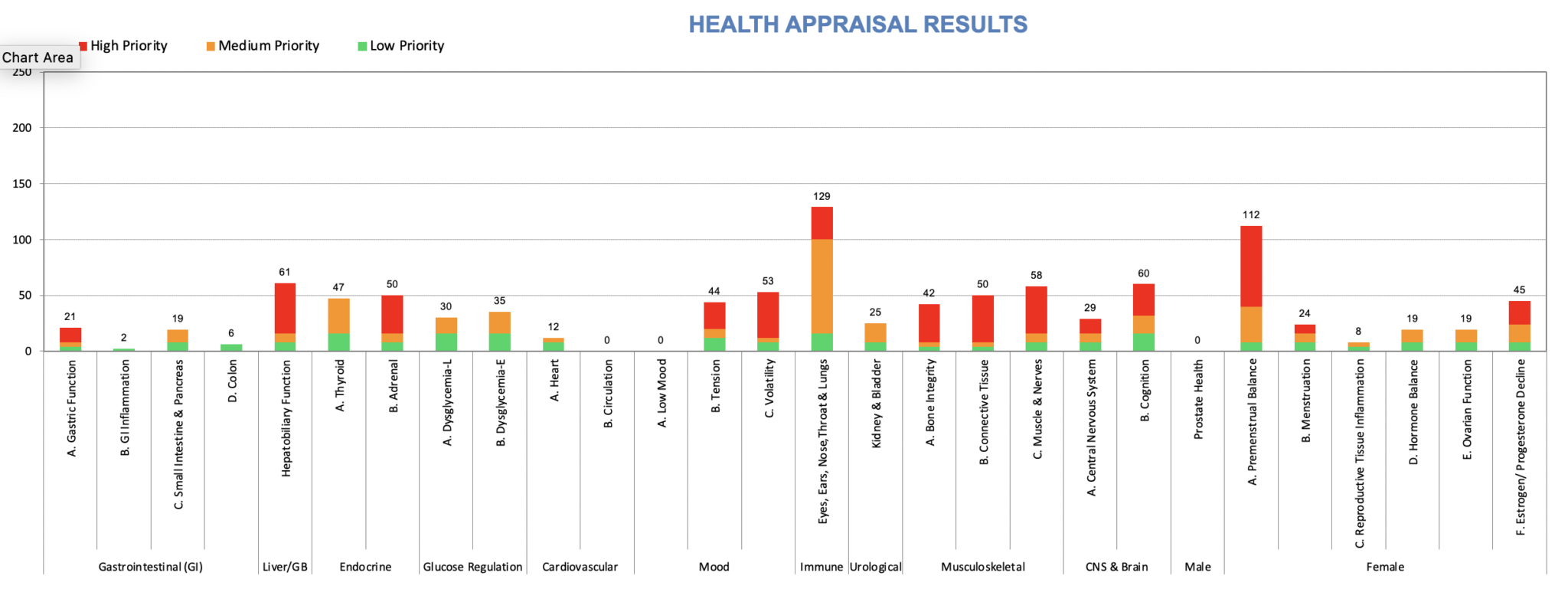
As part of every initial consultation, I include a structured Health Appraisal Questionnaire alongside your physical movement assessment. This allows me to identify wider factors that may influence how your body stabilises, adapts and recovers.
Breathing patterns, stress load, sleep quality, digestive patterns and general nutritional intake can all affect how the deep stabilising system functions. If these elements are disrupted, progress may feel inconsistent, strength can plateau and pain may persist despite regular exercise.
The body works as an integrated system. Assessment should reflect that.
How broader function influences the core
Your core is not simply your abdominal muscles. It is a coordinated system involving the diaphragm, deep abdominal wall, pelvic floor and surrounding stabilising muscles. Together, these structures regulate pressure, support the spine and allow efficient, controlled movement.
Internal organ function, stress physiology and overall lifestyle patterns can influence how this system performs. Compromised breathing mechanics or digestive disruption, for example, may alter intra-abdominal pressure and affect the timing and coordination of the deep stabilising muscles.
When this happens, strengthening exercises alone may not create sustainable change.
Understanding the broader picture allows movement programming to be more precise and more effective.
What the Health Appraisal reviews
The questionnaire explores areas such as:
- Breathing patterns and diaphragm function
- Stress load and recovery capacity
- Sleep quality
- Digestive patterns and general nutritional habits
- Hormonal influences
- Past injury and long-term health history
This information provides valuable context. It ensures that corrective strategies are grounded in how your body functions as a whole, not just in how it performs in a single session.
Why this matters
Without recognising wider contributors, the body may compensate:
- Bracing instead of stabilising
- Overusing surface muscles
- Developing persistent tension patterns
- Struggling with consistent core activation
Understanding the interaction among lifestyle, nutrition and movement enables clearer decision-making and more sustainable outcomes.
The goal is simple:
Clearer understanding.
More accurate programming.
Better long-term function.
Start with a structured assessment
A thorough initial consultation allows us to identify both movement patterns and the wider factors influencing stability, recovery and strength.